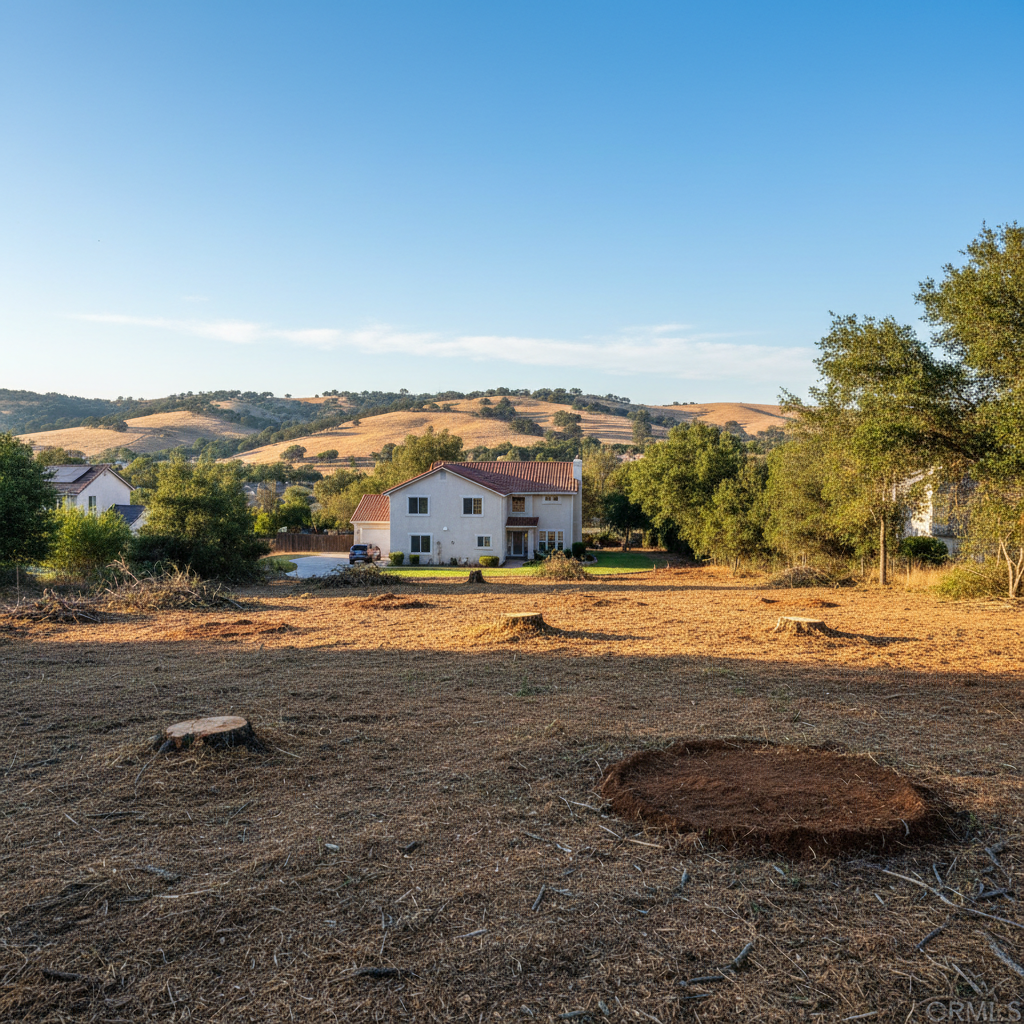
So, you've got a piece of land in Atwater that needs clearing. Maybe you're finally building that dream home, putting in a new orchard, or just reclaiming some overgrown space. Whatever the reason, land clearing isn't just about firing up a chainsaw and going to town. It's a big project, and planning it right can save you a ton of headaches, time, and money.
Setting Your Land Clearing Timeline
Let's talk timelines. This isn't a weekend warrior job, especially if you're dealing with anything more than a small patch of weeds. For a significant land clearing project, you're looking at a few distinct phases, and each takes time.
- Initial Assessment & Permitting (2-6 weeks): First, you've got to figure out what's there. Are there protected trees? Wetlands? Buried utilities? You'll need to check with the City of Atwater planning department or Merced County if you're outside city limits. Depending on the scope, you might need permits for tree removal, grading, or even burning. Don't skip this. Trust me, fines are way more expensive than permits.
- Contractor Selection (2-4 weeks): Getting bids and choosing the right crew takes time. Don't rush it. You want someone reliable, insured, and experienced.
- The Clearing Work Itself (1 day to several weeks): This is the variable part. A small lot with brush? Could be a day or two. A few acres with mature trees and stumps? That could easily stretch into weeks, especially if you hit unexpected snags like rocky soil, which we definitely see around Atwater, particularly on the east side of town.
- Post-Clearing & Debris Removal (1-2 weeks): Once the land is clear, you've still got to deal with the debris. Hauling it away, chipping it, or burning (if allowed and permitted) all take time.
So, from start to finish, you're probably looking at anywhere from 6 weeks to 3 months for a decent-sized project. Plan accordingly, especially if you have other construction or landscaping work lined up.
What to Expect During the Process
When the crew shows up, what's actually going to happen? It's going to be noisy, dusty, and look a bit chaotic before it looks good. Here's a general rundown:
- Site Preparation: The crew will mark out boundaries, identify trees to keep (if any), and set up safety zones. They'll also check for underground utilities if they haven't already.
- Vegetation Removal: This is the main event. Small brush and weeds get mulched or pushed into piles. Larger trees will be felled carefully, often in sections, especially if they're close to structures or property lines.
- Stump Grinding/Removal: Depending on your plans for the land, stumps will either be ground down below grade or completely excavated. Grinding is usually faster and less disruptive.
- Grading & Leveling: Once the vegetation is gone, the crew might do some basic grading to smooth out the land, remove ruts, or prepare for drainage. This isn't full-on excavation, but it gets the site ready.
- Debris Management: All that material has to go somewhere. It'll be chipped on-site, loaded into haul trucks, or piled for burning.
It's a big operation, and you'll see heavy machinery like excavators, skid steers, chippers, and dump trucks. Don't be surprised by the scale of it. Our team at Coastal Tree makes sure everything is done safely and efficiently, but it's still a construction site for a while.
How to Prepare Your Property
You can do a few things before the crew even arrives to make things smoother:
- Clear the Area: Remove anything you want to keep – garden ornaments, patio furniture, tools, toys. Anything that's not bolted down and could get in the way.
- Mark Boundaries & Keep Trees: Clearly mark your property lines, especially if they're not obvious. If you have trees you want to save, tie bright ribbons around them so there's no mistake.
- Access: Make sure there's clear access for large trucks and equipment. Move parked cars, open gates, and ensure any paths are clear.
- Neighbors: Give your neighbors a heads-up. Let them know when the work will start and roughly how long it'll last. It's a courtesy that goes a long way when there's going to be noise and dust.
- Utilities: If you haven't already, call 811 (Dig Alert) a few days before work starts to have underground utilities marked. This is crucial for safety.
Questions to Ask Before Signing a Contract
Don't just go with the cheapest bid. Ask these questions:
- Are you licensed and insured? Get proof. This protects you if there's an accident or damage.
- What's included in the quote? Be specific. Does it cover stump grinding? Debris removal? Hauling fees? Permitting assistance? Don't assume anything.
- How will you handle debris? Will it be chipped on-site, hauled away, or burned? What are the costs associated with each?
- What's your estimated timeline? Get a realistic start and end date.
- Do you have references? Talk to other homeowners they've worked for.
- What's your safety plan? How do you protect my property, your crew, and my neighbors?
- What about unexpected issues? What happens if you hit a hidden utility, discover protected wildlife, or find something else that changes the scope? How will that affect the cost and timeline?
- Will you pull the necessary permits, or do I need to? Clarify this upfront.
Land clearing is a big step, but with good planning and the right team, you'll be well on your way to transforming your property. Take your time, ask the tough questions, and you'll be glad you did.