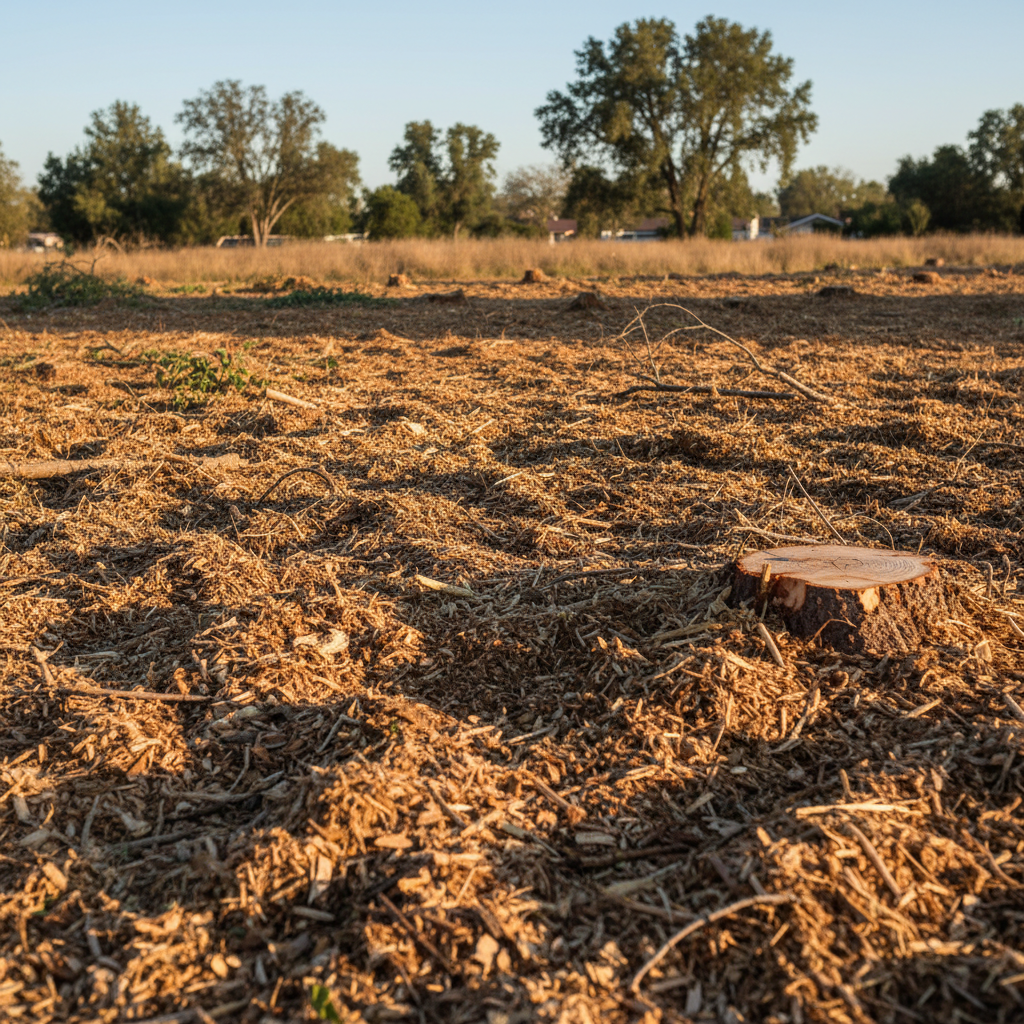
So, you’ve got a piece of land in Atwater, maybe it’s a new lot you just bought, or maybe a section of your existing yard has just gotten completely overgrown. You’re looking at it, thinking, “Man, I need to clear this out.” It’s a common thought, and a lot of folks wonder if they can just tackle it themselves. Let’s break down what you need to know before, during, and after a lot clearing project, and when it’s definitely time to call someone like us.
Before You Even Start: Planning & Permits
First things first, don't just go out there swinging an axe. You need a plan. What's the goal? Are you clearing for a new garden, an addition, or just to make it look tidier? Knowing the end game helps you figure out the steps.
The biggest 'before' step, and one people often forget, is checking with the city or county. Depending on where your property is in Atwater – maybe you're out near the orchards or in one of the older neighborhoods with mature trees – there might be rules about what you can cut down. Especially if you have large, established trees, you might need a permit. You don't want to get hit with a fine because you took down a protected oak. Give the Atwater Planning Department a call; it’s better to be safe than sorry.
Also, know what's underground. Before any digging, call 811. They'll mark utility lines for free. Hitting a gas line or a water main is a bad day for everyone, trust me.
What You Can (Probably) Do Yourself
For smaller jobs, you can absolutely get a lot done on your own. If it’s mostly brush, small saplings, weeds, and maybe some deadfall, you’re in good shape. Here’s what you might tackle:
- Weed Whacking & Mowing: For overgrown grass and light brush, a heavy-duty weed trimmer or even a brush hog attachment for your mower can make quick work of it.
- Small Shrub Removal: If you've got smaller bushes or young trees (think under 2-3 inches in diameter), a good pair of loppers, a hand saw, or even a small chainsaw (if you know how to use it safely) can do the trick. You'll want to dig out the roots too, or they'll just grow back.
- Debris Cleanup: Raking up leaves, picking up fallen branches, and general tidying – that’s all homeowner territory.
Always wear proper safety gear: gloves, eye protection, long sleeves, sturdy boots. A small cut is one thing, but a flying branch or a kickback from a chainsaw can put you in the ER. Be smart about it.
When to Call a Pro (Like Coastal Tree)
Alright, this is where it gets real. There’s a point where DIY stops being cost-effective or safe, and that’s when you need to call in the cavalry. Here’s when you should pick up the phone:
- Large Trees: Any tree over, say, 6-8 inches in diameter, especially if it’s tall, near a structure, or has large limbs that could fall unpredictably. Taking down big trees is dangerous work. It requires specialized equipment, training, and insurance. One wrong cut and you're looking at major property damage or worse, serious injury.
- Stump Removal: While you can try to dig out small stumps, larger ones are a beast. They've got deep, stubborn root systems. A professional stump grinder makes quick work of them, grinding them down below ground level so you can plant over them.
- Dense Overgrowth: If your lot is a jungle of thorny bushes, thick vines, and intertwined saplings, it’s going to take more than a weekend with hand tools. We have heavy machinery that can clear large areas efficiently and safely.
- Sloped or Uneven Terrain: Working on hills or very uneven ground adds a layer of danger. Equipment can tip, and footing can be treacherous.
- Proximity to Utilities or Structures: If you're clearing near power lines, your house, a fence, or your neighbor's property, the risk of damage is too high for a DIY job. Professionals are trained to work in these tight, high-risk situations.
- Time & Effort: Sometimes, it just comes down to how much time and energy you have. Lot clearing is hard, dirty work. If you'd rather spend your weekends enjoying Atwater's parks or just relaxing, hiring it out makes sense.
After the Clearing: What's Next?
Once the land is cleared, you're not quite done. You'll have a lot of debris. For smaller jobs, you can usually bag it up for green waste pickup or haul it to the dump. For bigger jobs, a professional service will handle the hauling and disposal of all the wood, brush, and green waste. We've got chippers and trucks that make that part easy.
Then, think about what you want to do with the soil. Clearing can disturb the ground, and in our Central Valley clay soils, you might find it compacted or needing some amendments if you plan on planting. Consider soil testing if you're going for a garden or significant landscaping. You might need to bring in some fresh topsoil or compost to get it ready.
Lot clearing is a big job, but it can transform your property. Just make sure you approach it safely and smartly. Don't hesitate to give Coastal Tree a call if you're looking at a project that feels too big or too dangerous to tackle on your own. We're here to help Atwater homeowners get their land looking exactly how they want it.