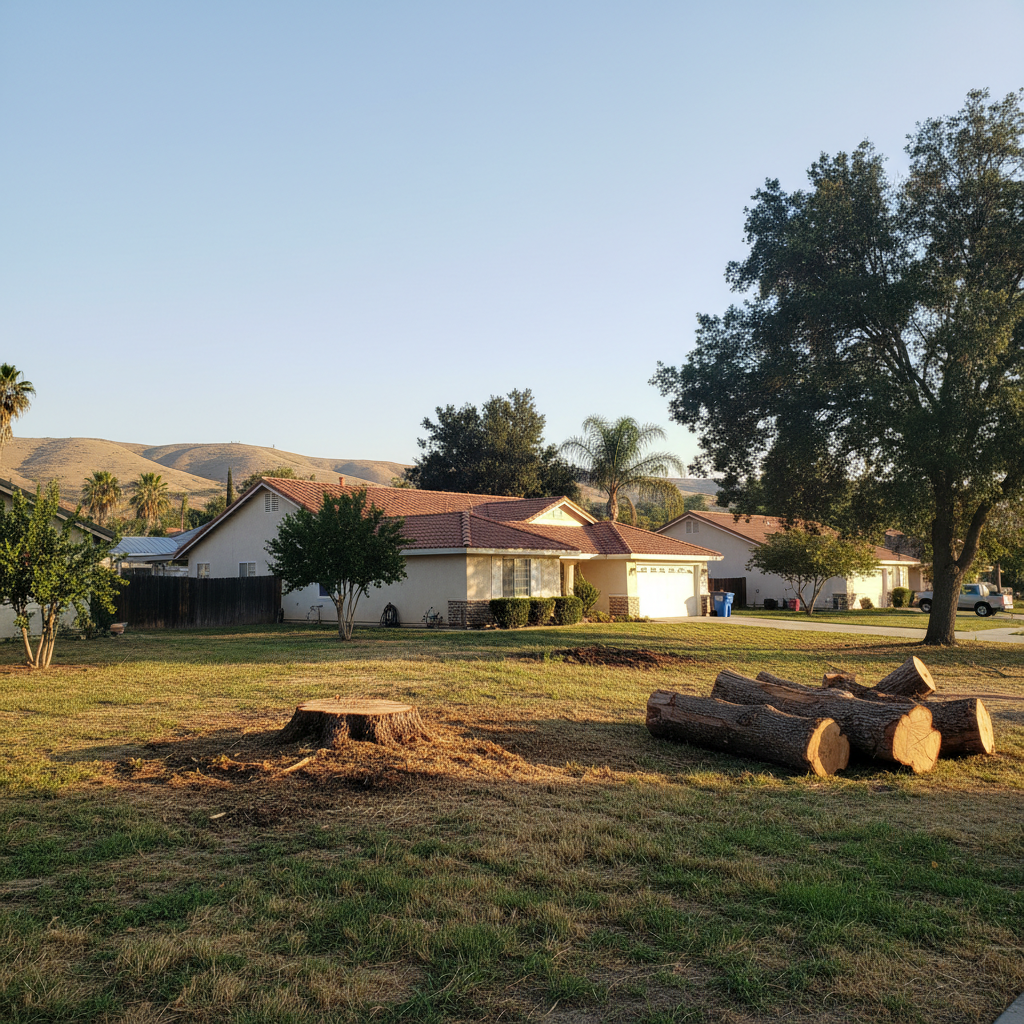
Alright, you've got a tree that needs some attention. Maybe it's overgrown, leaning a bit too close to the house, or just shedding branches like crazy. So, you start looking for a tree service. It's easy to just pick the first name you see or the lowest bid, but trust me, that can lead to a whole lot of headaches down the road. I've been doing this for a long time, and I've seen it all. Here's how to make sure you're hiring a legitimate, qualified company, not some fly-by-night outfit.
What Questions Should You Be Asking?
Don't be shy. You're paying good money for this, so you have every right to ask tough questions. Here are the big ones:
Are you licensed and insured? This is non-negotiable. They should have a C-61 (Limited Specialty) or C-27 (Landscaping) contractor's license with a Tree Service classification from the Contractors State License Board (CSLB). And insurance? That means general liability and workers' compensation. If they don't have both, or hesitate to show proof, walk away. Period. You don't want to be on the hook if someone gets hurt on your property or if they damage your neighbor's fence.
Can you provide references? A good company will have happy customers. Ask for a couple of recent ones you can call. If they only offer up old ones or seem hesitant, that's a yellow flag.
What's your approach to this specific job? Don't just let them say, "We'll cut it down." Ask about their plan. How will they protect your lawn? What equipment will they use? How will they remove the debris? For a big oak tree in one of those older neighborhoods near Atwater High, for example, they should be talking about careful rigging and controlled lowering, not just free-falling branches.
Do you have certified arborists on staff? For anything more than a simple trim, an arborist's expertise is invaluable. They understand tree biology, disease, and proper pruning techniques. It means they're not just hacking away, they're making decisions that are good for the tree's health and your safety.
How do you handle permits? For larger tree removals or work on protected trees, you might need a city permit. A reputable company will know this and guide you through the process, or even handle it for you.
Decoding the Quote: What to Look For
You'll probably get a few quotes, and they might look completely different. Here's what a good one should include:
Detailed Scope of Work: It shouldn't just say "tree removal." It needs to specify which tree(s), what work (pruning, removal, stump grinding), and to what extent. "Prune deadwood from two mature liquidambars, up to 2-inch diameter limbs" is much better than "prune trees."
Cost Breakdown: Does it include debris removal? Stump grinding? Hauling? Make sure everything is spelled out so there are no surprises later. Sometimes a low bid is low because it doesn't include cleanup.
Proof of Insurance and Licensing: They should attach copies or at least offer to show them to you. Don't just take their word for it.
Timeline: When can they start? How long will it take? Good to know what to expect.
Payment Terms: What's the deposit? When is the final payment due? Never pay the full amount upfront. A reasonable deposit (usually 10-25%) is fine, but the rest should be due upon satisfactory completion.
Red Flags You Can't Ignore
Watch out for these:
Door-to-door solicitations: "We were just in the neighborhood and noticed your tree..." This is a classic scam tactic. Legitimate companies don't usually operate this way.
Cash-only demands: "We'll give you a discount if you pay cash." This often means they're trying to avoid taxes, and likely don't have proper insurance or licensing either.
High-pressure sales tactics: "This deal is only good today!" Take your time, get multiple quotes.
No contract or a vague one: If it's not in writing, it didn't happen. A professional company will always provide a clear, written agreement.
Using spikes on trees for pruning: Unless they're removing the tree, climbing spikes damage the tree's bark and can introduce disease. Arborists use ropes and harnesses for pruning.
Topping trees: This is when they cut off the main leaders of a tree, leaving stubs. It's terrible for the tree's health, makes it more susceptible to disease, and leads to weak, rapid regrowth. A good arborist will never recommend topping.
How to Verify Legitimacy
It's easier than you think to check if they're on the up and up:
Check the CSLB website: Go to cslb.ca.gov and use their "Check a License" tool. Enter their license number. It'll tell you if it's active, if they have workers' comp insurance, and if there are any disciplinary actions.
Ask for their insurance certificates: They should be able to provide an "Acord certificate" directly from their insurance company. You can even call the insurance provider to verify it's current for the dates of your job.
Google them: Look for reviews on Yelp, Google, and other platforms. A few negative reviews aren't necessarily a dealbreaker, but a pattern of bad service or complaints about damage is a huge warning sign.
Look for a physical address: A P.O. Box isn't a red flag on its own, but combined with other issues, it might be. A company with a real office or yard usually indicates more stability.
Choosing a tree service isn't just about getting a tree cut; it's about ensuring the safety of your property and the health of your landscape. Do your homework. Ask the right questions. At Coastal Tree, we're always happy to show you our credentials and explain our process. We want you to feel confident in your choice, no matter who you go with. Stay safe out there, Atwater!