A big storm just rolled through, or maybe you woke up to find a tree limb crashed onto your roof. It's a homeowner's nightmare, and you're probably wondering, "What do I do now?" Emergency tree removal isn't something you plan for, but knowing the steps can save you a lot of headache, and potentially, a lot of money.
Before the Pros Arrive: Your First Steps
Okay, first things first: safety. Is anyone hurt? If so, call 911 immediately. After that, assess the situation from a safe distance. Are there power lines involved? If a tree or branch is touching power lines, or even close to them, consider it extremely dangerous. Call PG&E (1-800-743-5000) right away. Do NOT touch anything, and keep everyone far away.
If there's no immediate danger from power lines or injuries, take some photos and videos. Document the damage to your property and the tree itself. This is crucial for insurance claims later on. You'll want shots from different angles, showing the tree, the damage it caused, and the surrounding area.
Next, secure the area. If it's safe to do so, put up some caution tape or cones to keep people away. You don't want anyone accidentally walking under a precarious limb. If the tree has fallen on your house, and it's actively raining, you might be able to temporarily tarp the damaged area to prevent further water intrusion, but only if it's completely safe and stable to do so. Don't risk climbing on a damaged roof or getting near unstable tree parts.
When to Call a Professional (Always, for Emergencies)
Look, I know some of you are handy. I appreciate a good DIY project as much as the next guy. But emergency tree removal? That's almost always a job for the pros. Here's why:
- Safety: Large, fallen, or partially fallen trees are incredibly unpredictable. They can shift, roll, or snap unexpectedly. There's also the risk of hidden tension or compression in the wood.
- Equipment: We've got specialized equipment for this — cranes, heavy-duty chainsaws, rigging gear. You can't just go at a massive fallen oak with your backyard chainsaw.
- Experience: We've seen it all. We know how to safely dismantle a tree that's leaning on a house, or one that's tangled in power lines. We understand the physics of a falling tree and how to control it.
- Insurance: This is a big one. A reputable tree service like Coastal Tree carries liability insurance. If something goes wrong on the job – and with emergency work, there's always a risk – you're protected. If you try to do it yourself and cause more damage, your homeowner's insurance might not cover it.
Don't try to be a hero. Call a qualified, insured tree service immediately. We're used to getting these calls at all hours.
During the Removal: What to Expect
Once you've called us, we'll typically send out a crew to assess the situation. They'll determine the safest and most efficient way to remove the tree or limb. This might involve using a crane to lift sections off your roof, or carefully cutting and lowering pieces to the ground. They'll also look for any secondary damage or potential hazards you might have missed.
You'll want to stay out of the work zone. Our crew will set up a perimeter, and it's important for your safety and theirs that you respect it. We'll handle the heavy lifting, the cutting, and the hauling away of debris. We'll also make sure to protect your property as much as possible during the process. For example, if a tree has fallen in your backyard and it's a particularly wet winter day, like we often get here in Atwater, we'll take extra precautions to minimize rutting up your lawn with our equipment.
After the Tree is Gone: Next Steps
With the immediate danger gone, you can focus on the aftermath. First, contact your insurance company. Provide them with all those photos and videos you took earlier. They'll likely send out an adjuster to assess the damage and determine your coverage. Your tree removal costs might be covered, especially if the tree caused damage to an insured structure.
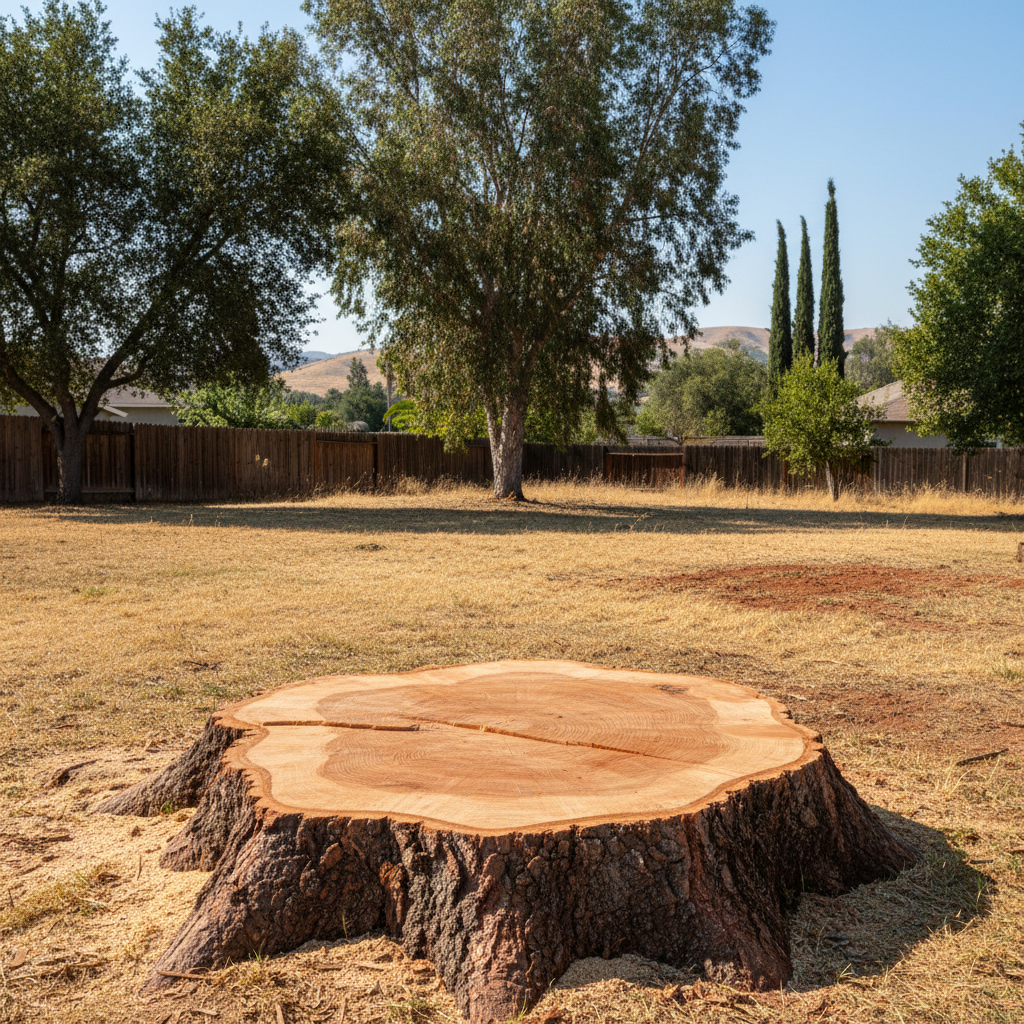
You'll also need to think about stump removal. We can grind the stump down below ground level, making it easier for you to replant or landscape over the area. Don't leave a stump as a tripping hazard or an invitation for pests.
Finally, consider prevention. After a major storm or emergency, it's a good time to have the rest of your trees inspected. Are there other weak limbs? Trees that are leaning precariously? Catching these issues early can prevent another emergency down the road. We can help you identify potential problems and recommend appropriate pruning or removal to keep your property safe.
Dealing with a fallen tree is stressful, but taking the right steps can make a big difference. Stay safe, call the pros, and let us handle the heavy lifting.