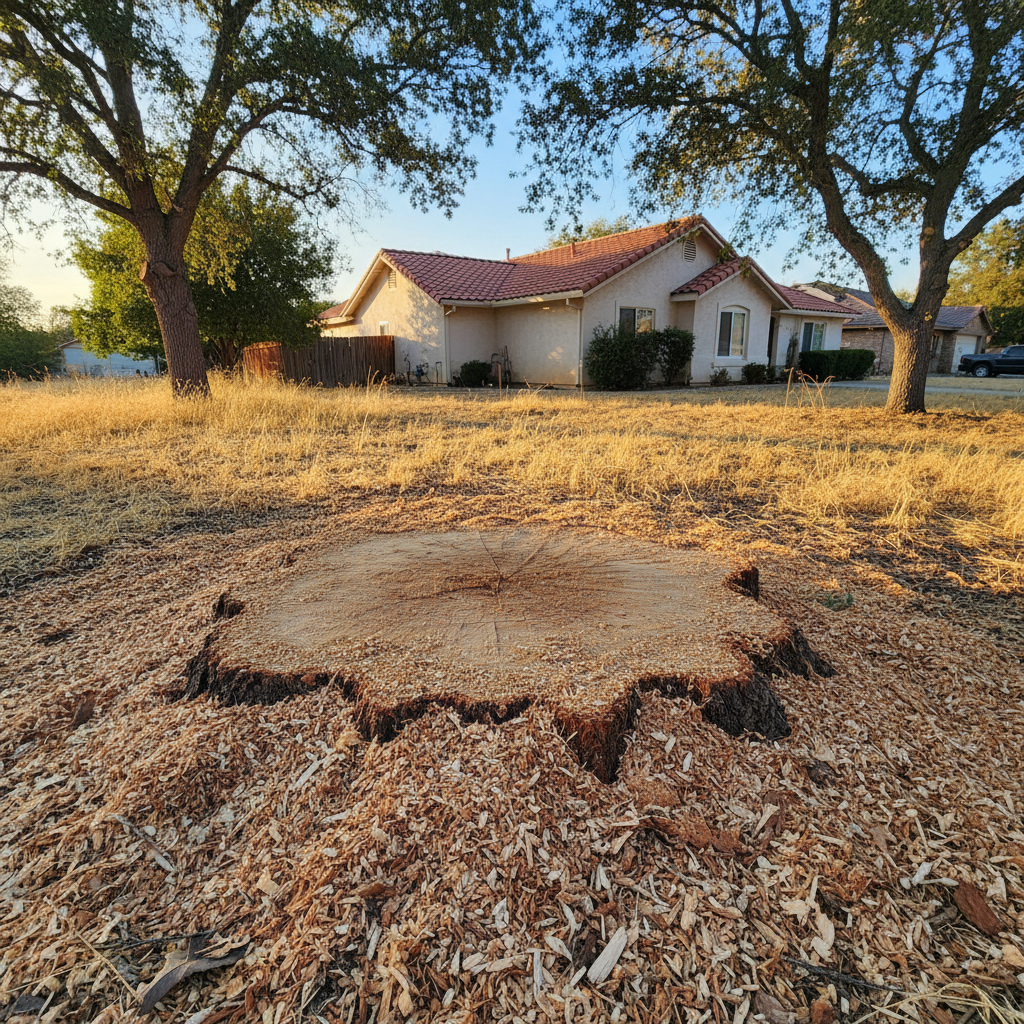
So, you've got a tree you're thinking about taking down. Maybe it's looking a little sick, or it's just too close to the house. Whatever the reason, tree removal isn't something most folks do every day, so it's natural to have a bunch of questions. I hear 'em all the time, and I'm here to give you the straight scoop, no fluff.
Do I even need a permit to remove a tree in Atwater?
This is probably the most common question I get, and it's a good one because the answer can save you a headache. For most residential properties in Atwater, you generally don't need a permit to remove a tree on your own private property, especially if it's not a designated 'heritage' or 'protected' tree. However, there are some big exceptions. If the tree is in a public right-of-way (like between the sidewalk and the street), or if it's part of a new development project, or if it's specifically marked as a protected species by the city or county, then yeah, you'll absolutely need a permit. My best advice? If you're unsure, just make a quick call to the Atwater Planning Department. Better safe than sorry, right? They're usually pretty helpful. We always check for our clients before we start any work, just to be sure.
What's the deal with my neighbor's tree? Can I just cut branches hanging over my yard?
Ah, the classic neighbor tree dispute. This one comes up a lot. Generally, in California, you have the right to trim branches or roots from a neighbor's tree that extend onto your property. But — and this is a big but — you can only trim up to your property line. You can't cross over onto their side, and you can't trim so much that it damages or kills their tree. If you do, you could be liable for damages. It's always best to talk to your neighbor first. Most people are reasonable, and it's better to keep good relations. If the tree is clearly dead or diseased and poses an immediate threat to your property, then things get a little more complicated, and you might need to involve the city or an attorney if your neighbor isn't responsive. But start with a friendly chat.
How much does tree removal actually cost in Atwater?
This is like asking, 'How much does a car cost?' It varies wildly depending on a bunch of factors. The size of the tree is the biggest one – a small ornamental tree is way different from a massive, mature oak in one of those older neighborhoods near Bloss Avenue. Access is another huge factor. Can we get our equipment right up to the tree, or do we have to haul everything by hand through a narrow gate? Is it close to power lines or your house? That means more specialized equipment and a lot more care, which adds to the cost. The type of tree matters too; some are harder to cut and remove than others. Plus, do you want the stump ground down? That's usually an extra service. We always give a free, no-obligation estimate after coming out to look at your specific situation. That's the only way to get an accurate price.
What happens to the wood and debris after the tree is cut down?
When we remove a tree, you've got a few options for what happens to all that wood and brush. Most folks opt for us to haul everything away. We chip the smaller branches and haul off the larger wood. Sometimes, if the wood is good quality, like oak or almond, some homeowners like to keep it for firewood. We can cut it into manageable lengths for you. Other times, people want the wood chipped and left on-site as mulch for their garden beds. That's a great way to recycle and save a little money on disposal fees. Just let us know what you prefer when we're giving you the estimate, and we'll factor it in.
Is it really dangerous to do tree removal myself?
Look, I get it. You're handy, you've got a chainsaw, and you want to save a buck. But honestly, tree removal is one of those jobs where the risks far outweigh the potential savings for most homeowners. I've seen too many close calls, and even some serious injuries, from people trying to tackle large trees themselves. You're dealing with heavy falling objects, sharp tools, heights, and often, unpredictable situations. One wrong cut, and you could damage your house, your fence, or worse, yourself. Professional tree services like Coastal Tree have the right equipment – cranes, lifts, specialized rigging – and, more importantly, the training and insurance to do the job safely. We know how to assess a tree's lean, where to make cuts, and how to control the fall. For anything bigger than a small sapling, please, call a pro. It's just not worth the risk.
What are the signs a tree needs to be removed, not just trimmed?
Good question. Sometimes a good pruning is all a tree needs, but other times, it's a goner. Here are some red flags I look for:
- Extensive Decay: If you see large areas of dead wood, soft spots, or mushrooms growing on the trunk or at the base, that's a bad sign. Decay weakens the tree's structure.
- Deep Cracks in the Trunk: Cracks, especially those that go deep into the wood, indicate structural instability.
- Leaning Significantly: A sudden or severe lean, especially if the ground around the base is heaving, means it could be about to fall.
- Hollow Trunk: Tap on the trunk; if it sounds hollow, the tree might be compromised.
- Dead Branches: A lot of dead branches, especially in the upper canopy, can mean the tree is dying.
- Pests or Disease: If it's heavily infested with pests or has an incurable disease that's spreading, removal might be the only option to protect other trees.
- Root Damage: If a significant portion of the root system has been cut or damaged (like during construction), the tree might not be stable.
If you're seeing any of these, it's time to get an expert opinion. We can come out and give you an honest assessment.
How long does tree removal take?
Again, this really depends on the tree. A small, easy-access tree might only take an hour or two from start to finish. A really large, complex removal – say, a huge sycamore that's overhanging a house and power lines – could take a full day, or even two, especially if we're dealing with a lot of rigging and careful lowering of sections. We always try to give you a realistic timeframe when we provide our estimate, so you know what to expect. We work efficiently, but safety is always our top priority, and that sometimes means taking a little extra time to do things right.
Hopefully, this clears up some of your biggest questions about tree removal. It's a big job, and you want it done right and safely. If you're in Atwater or the surrounding areas and have a tree you're concerned about, don't hesitate to give Coastal Tree a call. We're here to help.