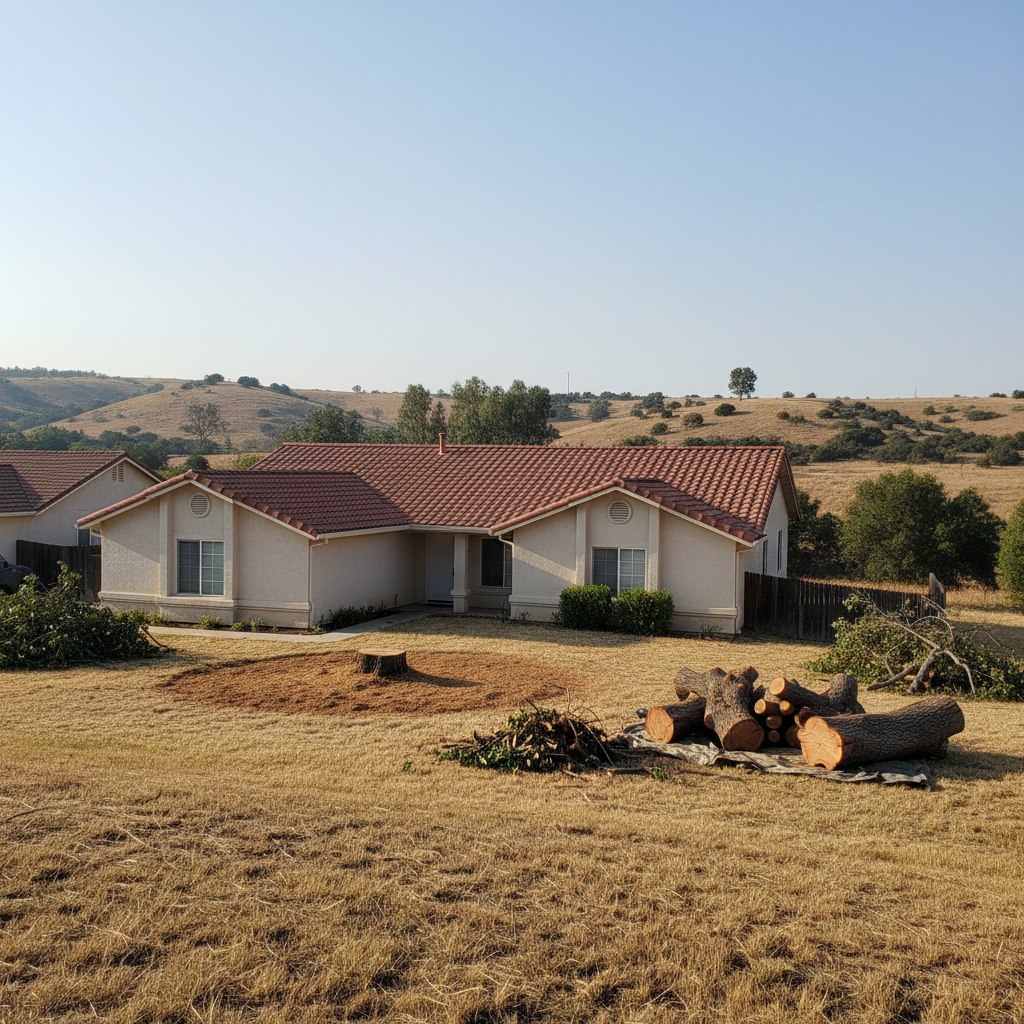
Alright, let's talk about getting a tree taken down here in Atwater. It's not just about pointing at a tree and saying, 'That one's gotta go!' There's a lot that goes into it, especially with our local climate. I've been doing this for a long time, and I've seen folks make some common mistakes that can cost them time, money, or even lead to bigger headaches down the road. So, what's the deal with timing and weather when you're looking at tree removal?
When's the Best Time for Tree Removal in Atwater?
Honestly, you can remove a tree any time of year if it's an emergency. If it's leaning on your house after a storm or clearly diseased and a hazard, you don't wait. But if it's a planned removal, you've got options, and some are better than others.
- Winter (December - February): This is often my preferred time for non-emergency removals. Why? A few reasons. First, deciduous trees (the ones that lose their leaves) are bare. That means less foliage to deal with, making the job quicker and often safer because we can see the branch structure clearly. The ground is usually firmer too, especially after a dry spell, which is good for our equipment. Plus, sometimes the demand isn't quite as high as in spring, so you might find it easier to schedule. The dormant period is also less stressful for the surrounding landscape if we're working near other plants you want to keep.
- Spring (March - May): This is a busy time for us. Everyone's out in their yards, noticing issues, or just wanting to get things cleaned up before summer. Trees are budding, full of sap, and often heavier. The ground can also be softer from spring rains, which means we have to be extra careful about rutting up your lawn or garden beds. It's doable, of course, but it's something to consider.
- Summer (June - August): Hot. Really hot. If you've lived here long, you know our Atwater summers mean triple-digit days are common. Working in that kind of heat is tough on the crew, and it means we have to take more breaks, hydrate constantly, and sometimes start earlier or finish later. Plus, the trees are in full leaf, so again, more material to handle. If you're doing a removal during summer, make sure the crew is well-prepared for the heat.
- Fall (September - November): Another good window, especially as the temperatures start to drop. Leaves are falling, so you get some of the benefits of winter removal, but the ground is usually still pretty dry and firm. It's a popular time to get things done before the holidays, so scheduling can still be tight.
Ultimately, the best time is when it's safest and most convenient for you, but knowing these seasonal factors helps you plan.
How Atwater Weather Affects Tree Removal Work
Our weather here isn't always predictable, and it definitely impacts how we do our job. You might think, 'It's just a tree, what's the big deal?' But trust me, weather plays a huge role in safety and efficiency.
- Wind: This is probably the biggest factor. High winds are a no-go for tree removal, especially for tall trees or those near structures. Trying to control falling limbs in gusty conditions is incredibly dangerous for my crew and for your property. We'll reschedule if the winds are too high. It's not worth the risk.
- Rain: Light rain? We can often work through it, though things get slippery. Heavy downpours? That's another story. Visibility drops, equipment can get bogged down, and again, safety becomes a major concern. Plus, a saturated ground means a higher chance of leaving ruts in your yard, which nobody wants. We're always careful, but sometimes Mother Nature just says 'nope.'
- Heat: As I mentioned, our summer heat is no joke. It slows us down and increases the risk of heat-related illness. We'll still get the job done, but it might take a bit longer, and we'll need more breaks.
- Mud: After a good rain, especially in areas with that heavy Atwater clay soil, things get muddy fast. This makes it tough to move equipment without tearing up your lawn. Sometimes we'll lay down mats, but if it's too wet, we might have to wait for things to dry out a bit.
When you call Coastal Tree, we're always monitoring the forecast. We'll communicate with you if we need to adjust the schedule due to weather. Your safety and the protection of your property are our top priorities.
Protecting Your Tree Investment Year-Round
Even after a tree is gone, or for the trees you're keeping, thinking year-round is smart. Here's what I recommend:
- Regular Inspections: Just walk around your yard once a month. Look for dead branches, cracks in the trunk, strange growths, or leaves that don't look right. Catching problems early can save a tree or prevent a costly emergency removal.
- Smart Watering: Especially during our dry spells, make sure your trees are getting enough water. Deep, infrequent watering is usually better than shallow, frequent sprinkles. A good soak around the drip line helps a lot.
- Proper Pruning: This isn't just about making a tree look pretty. It's about health and safety. Removing dead, diseased, or crossing branches helps the tree stay strong and reduces the risk of limbs falling. Don't try to tackle big jobs yourself; that's when you call in the pros.
- Mulch, Not Mounds: A nice layer of mulch around the base of your trees (but not touching the trunk!) helps retain moisture, regulate soil temperature, and suppress weeds. Just don't pile it up against the trunk; that's called 'volcano mulching' and it can actually hurt the tree.
- Post-Removal Care: If you had a tree removed, especially a large one, consider what's left behind. Stump grinding is usually a good idea to prevent pests and clear the space. If you're planting a new tree, make sure you choose a species that's right for our climate and soil.
Taking care of your trees is an ongoing thing, not a one-and-done deal. By understanding how our local climate and weather impact tree work, you can make smarter decisions for your property. If you've got questions about a specific tree or need an assessment, just give us a call. We're here to help keep Atwater's trees healthy and safe.