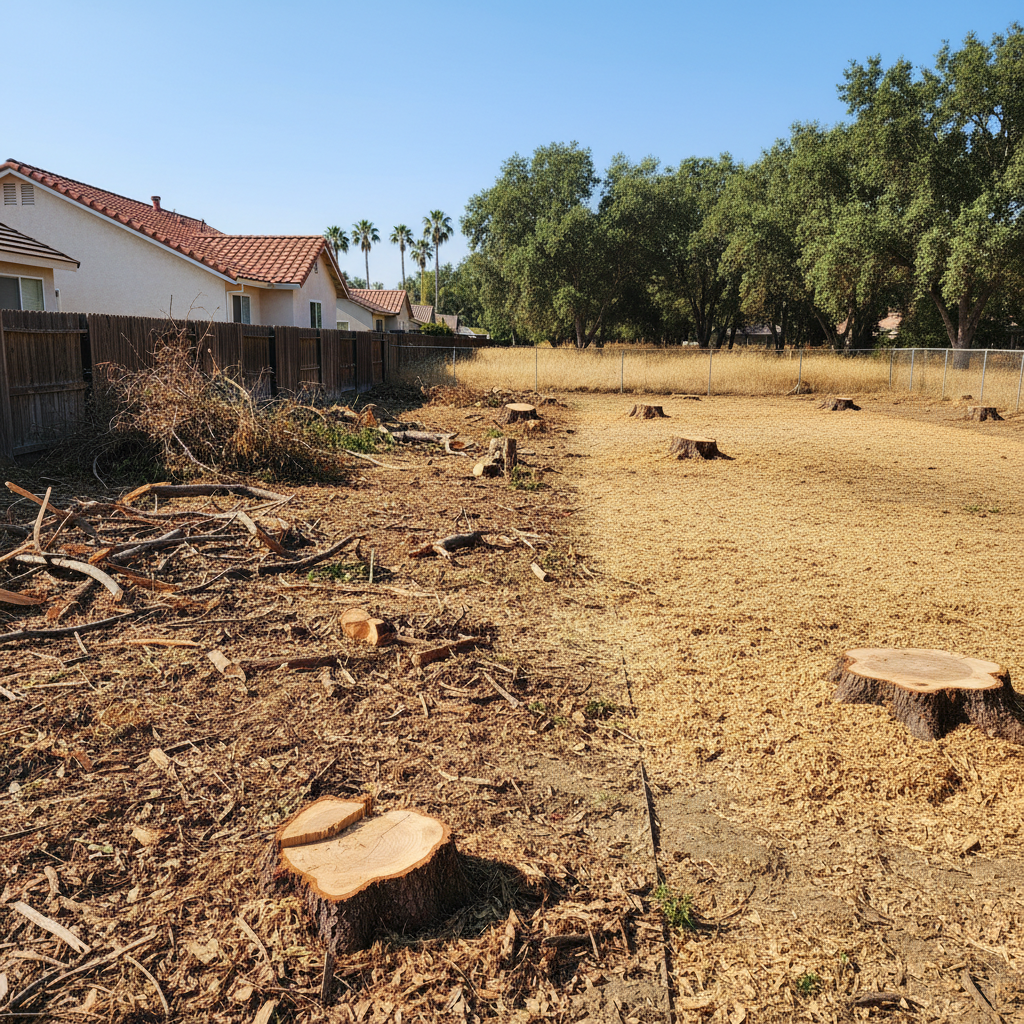
Alright, Atwater homeowners, let's talk about clearing land. Maybe you've got an overgrown lot, you're prepping for new construction, or you're just trying to reclaim some space from all that wild growth. You've got a couple of main routes you can go down, and for a lot of folks, the question boils down to this: do you burn it, or do you mechanically remove it?
I've seen both approaches in action around here, from the older parts of town with those big, established oaks to the newer developments on the outskirts where folks are clearing out old orchards. Each has its place, but one is almost always a better bet for residential properties in our neck of the woods.
The "Burn It Down" Approach: Why It's Usually a Bad Idea
Let's get this out of the way first. When I say "burn it down," I'm talking about open-air burning of vegetation. On paper, it sounds simple, right? Get a permit, light it up, and watch your problems turn to ash. But here's the reality check:
- Permits are a Pain (or Impossible): First off, you need a burn permit from the San Joaquin Valley Air Pollution Control District (SJVAPCD) and often from the Atwater Fire Department. These aren't just handed out. They're often restricted by air quality, time of year, and what you're actually burning. Trying to burn anything other than agricultural waste on a residential lot? Good luck. The rules are super strict, and for good reason.
- Safety First (Always): Even if you *could* get a permit, think about the fire risk. We're in California. We know fire. One gust of wind, one dry patch, and your controlled burn can become a nightmare. I've seen it happen. You're not just risking your property; you're risking your neighbors' homes and potentially a whole lot more. Especially with those dry summer winds we get, it's just not worth it.
- Air Quality: Burning creates smoke. That smoke carries particulate matter, which isn't good for anyone's lungs, especially kids or folks with respiratory issues. The SJVAPCD exists to keep our air clean, and open burning works directly against that.
- What About the Roots? Burning clears the above-ground stuff, sure, but it doesn't do much for the roots. You'll still have stumps, and those roots will often sprout back. So, you're not really getting a clean slate anyway.
Honestly, for most residential land clearing in Atwater, burning is a non-starter. The risks, regulations, and limited effectiveness just don't make it a viable option.
Mechanical Removal: The Smart, Safe, and Effective Way
This is where Coastal Tree really shines, and it's what I recommend almost every single time. Mechanical removal means using machinery – excavators, skid steers, mulchers, chippers, chainsaws – to clear your land. Here's why it's the clear winner:
- Total Control: We can precisely remove what you want gone and leave what you want to keep. No accidental fires spreading to your prize-winning rose bushes.
- Root Removal: With mechanical methods, we can get those stumps and roots out of the ground. This means a much cleaner site, less chance of regrowth, and a better foundation for whatever you're planning next, whether it's a new lawn or a building pad.
- Safety: While any heavy machinery operation requires skill and care, it's a far more controlled environment than an open fire. We're trained professionals who know how to operate this equipment safely.
- Environmental Benefits: Instead of polluting the air with smoke, we can chip or mulch the vegetation. That material can then be reused on-site for erosion control, soil enrichment, or hauled away for composting. It's a much greener approach.
- Speed and Efficiency: Modern equipment can clear a significant amount of land quickly and efficiently. What might take days or weeks of back-breaking manual labor (or a dangerous, slow burn) can often be done in a fraction of the time.
- No Permits (Usually): You typically don't need a burn permit for mechanical clearing. You might need other permits for grading or construction, but the clearing itself is usually straightforward from a regulatory standpoint.
Let's talk about cost. Upfront, mechanical removal might seem like it costs more than just striking a match. But when you factor in the fines for illegal burning, the potential for property damage, the incomplete job of burning, and the time you save, mechanical clearing is almost always the more cost-effective and headache-free option in the long run.
Think about the soil, too. Around Atwater, we've got a mix, but a lot of it is pretty fertile. Burning can degrade soil quality, killing off beneficial microbes. Mechanical clearing, especially if you opt for on-site mulching, can actually improve your soil by returning organic matter to it.
So, if you're looking at a patch of land that needs clearing, skip the idea of lighting it up. It's just not practical or safe for most residential situations here in Atwater. Give us a call at Coastal Tree. We'll come out, take a look at your property, and give you a solid plan for getting that land cleared safely and effectively, ready for whatever you've got planned next.